How to Find Your Colour Season — Indian Woman's Complete Guide

Learn how to find your colour season with a simple draping test at home. This guide breaks down Spring, Summer, Autumn and Winter palettes specifically for Indian skin tones, with outfit examples, makeup tips and common mistakes to avoid.
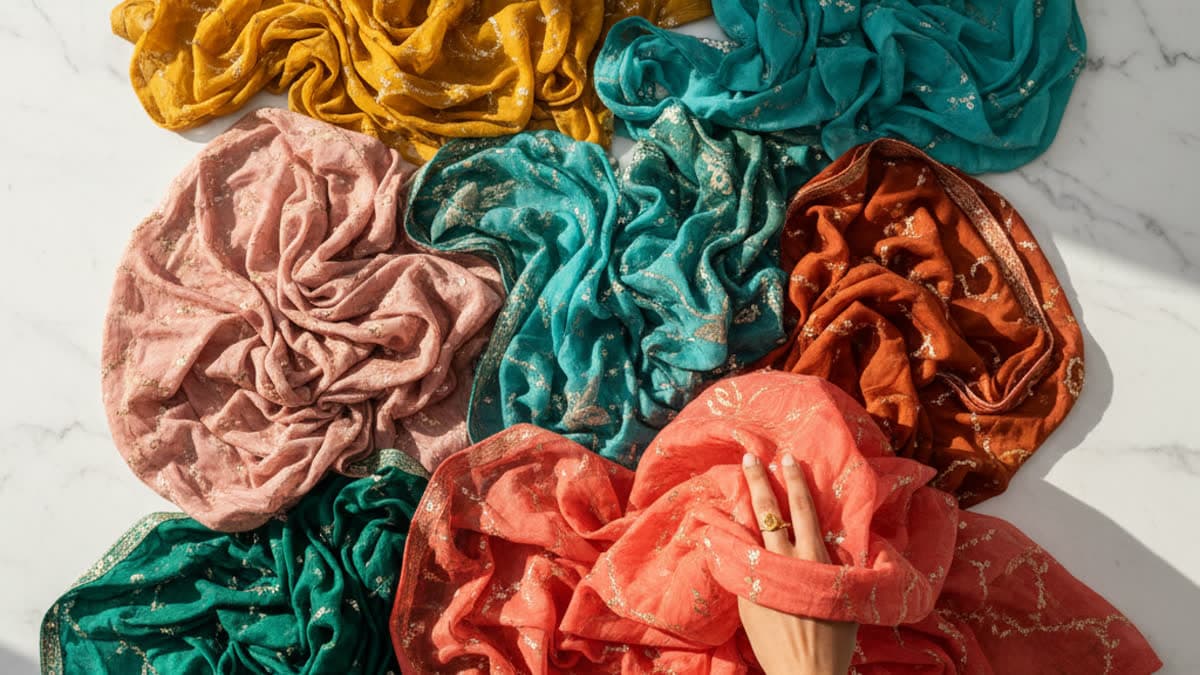
You walk into a FabIndia or Biba store, spot a kurti in a colour that looks stunning on the mannequin, bring it home, wear it for a family lunch, and somehow look tired in every single photograph. If this feels painfully familiar, you are not alone. Learning how to find your colour season is the single styling shortcut that can end this cycle of wasted purchases and disappointing mirror moments. The right colours do not just make you look good; they make you look awake, healthy, and unmistakably yourself.
For years, Indian women have been told that bright colours suit us because we have dark hair and warm skin. So we pile on orange, magenta, and gold at every wedding, assuming these are our safe zones. But not every warm colour is your warm colour. A tomato red can make one woman glow and another look sallow. A soft sage green can look elegant on your sister and completely wash you out. Without knowing your undertone and contrast level, you are essentially shopping blind, and your wardrobe becomes a graveyard of almost-right pieces that cost anywhere between ₹1,500 and ₹4,000 each.
This guide gives you a simple, reliable way to find your colour season at home using dupattas, sarees, and fabrics you already own. No apps, no expensive consultant appointments in South Delhi or Bandra, and no need to understand complex colour theory. In under thirty minutes, you will know whether you are a Spring, Summer, Autumn, or Winter, and you will finally have a clear answer to the question: will this colour suit me?
Why Finding Your Colour Season Matters for Indian Women
Indian women span an extraordinary range of skin tones, from fair Kashmiri complexions to deep Tamil Nadu bronzes, with undertones that can be warm, cool, or perfectly neutral. A colour season guide written for Western audiences often assumes pale pink skin and light eyes, which makes it useless for most of us. What we need is a system that accounts for turmeric-gold undertones, deeper complexions, and the fact that our traditional wardrobes already contain some of the richest, most saturated colours in the world.
Knowing your colour season answers dozens of everyday questions. Should you buy that lime green Anarkali on Myntra or the dusty pink one? Is a gold silk saree flattering for your mother-in-law's anniversary celebration, or will a silver-toned Banarasi work better? Should your everyday kurtas lean towards coral and peach, or should you be hunting for teal and aubergine? Once you know your season, these decisions stop being guesswork and start being automatic. You save money, you reduce morning decision fatigue, and you start receiving compliments you have never heard before.
The 4 Main Colour Seasons — Quick Overview
Colour season theory divides everyone into four groups based on two factors: your undertone (warm or cool) and your overall contrast level (how much difference there is between your skin, hair, and eyes). Here is how the four seasons map to Indian women.
- Spring: Warm undertone with light to medium contrast. Your skin has a golden, peachy, or honey quality. You glow in clear, bright warm colours like coral, turquoise, sunny yellow, and fresh green. Think of a morning in Kerala after the monsoon.
- Summer: Cool undertone with low to medium contrast. Your skin has a rosy, beige, or olive cast with no obvious golden warmth. You look best in soft, muted cool colours like dusty rose, lavender, and soft teal. Think of a misty evening in Ooty.
- Autumn: Warm undertone with medium to deep contrast. Your skin has rich golden, bronze, or copper undertones. You are at home in earthy, deep warm colours like rust, mustard, olive, and burnt orange. Think of a Rajasthani sunset.
- Winter: Cool undertone with high contrast. Your skin may be fair with dark hair, or very deep with striking clarity. You can carry intense, vivid cool colours like true red, emerald green, royal blue, fuchsia, and stark black-and-white combinations. Think of a Kashmiri winter against snow.
How to Do a Colour Season Test at Home — Step by Step
This is the part most online guides skip entirely. They show you celebrity examples and colour wheels, but they never tell you how to actually test yourself with what you have at home. We are going to fix that right now.
What You Need
- A bright natural light source, preferably standing near a large window during late morning. Avoid yellow tube lights or warm LED bulbs; they will distort every colour.
- A clean, makeup-free face so your natural skin tone shows through without distraction.
- Five to six dupattas, saree fabrics, or large scarves in a range of colours: a bright orange, a soft pink, a deep rust, a true red, a turquoise, and a black. If you do not have these exact shades, pull the closest options from your wardrobe or borrow from family.
- A hand mirror and your phone camera, because your eye will lie to you but a photograph usually will not.
The Draping Test
- 1Stand in natural light: Position yourself facing the window. Hold the mirror at arm's length so you can see your face and the fabric together. The fabric should cover your shoulders and chest, mimicking how a garment would sit.
- 2Drape the bright warm colour first: Hold up the orange or coral fabric. Look at your face critically. Do your eyes look brighter? Do your cheekbones seem more defined? Or do dark circles suddenly appear deeper and your skin look muddy? Take a photograph.
- 3Switch to the cool colour: Now drape the turquoise or soft pink. Again, observe your face. Some women will instantly see their skin even out and look fresher. Others will look grey or tired. Photograph this too.
- 4Test the deep and muted options: Drape the rust, then the true red. Notice whether the deeper colour gives you richness or drags you down. Then try a black fabric against your skin. Does it look sharp and dramatic, or harsh and ageing?
- 5Review your photographs side by side: This is your secret weapon. Scroll through the images quickly. The colour that makes you look like you just returned from a holiday is your winner. The colour that makes you look like you need a nap is your loser. Your phone is more honest than your mirror.
If you only have one dupatta to test, make it a bright coral or a clear turquoise. These two colours sit on opposite sides of the warm-cool divide and will give you a surprisingly clear answer within minutes.
Reading Your Results
Use the observations from your draping test to place yourself in one of the four seasons. Be honest with yourself about what the camera showed, not what you wish were true.
Want a Personal Colour Palette That Actually Works?
Discover your colour season and get a curated wardrobe plan with 32 looks in YOUR best shades.
- You are likely Spring if bright coral, sunny yellow, and turquoise all made your skin look fresh and luminous. You probably have visible warmth in your skin and medium contrast between your hair and complexion.
- You are likely Summer if soft pink, powder blue, and muted mauve made you look calm and elegant. Bright orange and harsh black probably aged you. Your skin likely has a gentle, dusty, or olive quality without strong golden tones.
- You are likely Autumn if deep rust, mustard, and olive green gave you a rich, expensive glow. Bright jewel tones may have looked too loud, but earthy warmth suited you perfectly. Your skin likely has strong golden or bronze undertones.
- You are likely Winter if true red, emerald, stark black, or royal blue made you look striking and defined. Muted or brownish colours probably washed you out completely. You likely have high contrast between your hair and skin, or exceptionally clear, deep colouring.
If you are still confused between two seasons, focus on the jewellery test as a tiebreaker. Hold a piece of yellow gold near your face, then a piece of silver or white gold. If yellow gold makes you look radiant, you are warm-toned (Spring or Autumn). If silver makes you look brighter, you are cool-toned (Summer or Winter).
Best Clothing Colours for Each Season
Now that you know your season, here is how to translate it into real Indian outfits you can buy from Myntra, FabIndia, local boutiques, or your tailor. Each recommendation keeps the Indian context in mind, including fabrics, embroidery tones, and occasions.
- Spring: Look for cotton and linen kurtas in coral, peach, aqua, and mint green. A bright turquoise cotton Anarkali with minimal embroidery is your everyday power piece. For weddings, choose a yellow-gold silk saree with a pink border rather than a deep maroon. FabIndia and Jaypore often carry these clear, warm shades in handloom fabrics.
- Summer: Your best friends are dusty rose, soft lavender, powder blue, and slate grey. A Biba georgette suit set in mauve with silver gota work will look effortlessly elegant. Avoid heavy orange embroidery; instead, choose pearl, silver, or white threadwork. Kota and Chanderi fabrics in your muted shades are ideal for both office and festival wear.
- Autumn: You own every earthy, rich tone: mustard, olive, rust, burnt orange, deep camel, and chocolate brown. A rust-coloured mulmul saree with antique gold jewellery is your signature festive look. For daily wear, invest in mustard and olive cotton kurtas from brands like W or Aurelia. You can also carry off deep teal and aubergine beautifully.
- Winter: You need intensity and clarity. True red, emerald green, royal blue, fuchsia, and stark black-and-white combinations are where you shine. A royal blue Banarasi saree with silver zari, or a fuchsia silk kurti with minimal styling, will turn heads. Do not shy away from high-contrast colour blocking; a black and white kurta set with bold earrings is made for you.
Makeup and Accessories That Actually Suit Your Season
- Spring: Choose warm peach blushes, coral lipsticks, and gold-bronze highlighters. Rose gold jewellery flatters you more than silver. Avoid ashy browns; instead, define your brows with a warm taupe pencil. Your everyday lipstick should be a bright coral or a warm pink, not a nude brown.
- Summer: Soft rose blushes, mauve lipsticks, and cool-toned highlighters work best. Silver, white gold, and platinum jewellery enhance your natural coolness. A dusty pink or soft berry lipstick is your everyday essential. Avoid orange-based reds; a blue-toned red or soft plum will always look more sophisticated on you.
- Autumn: Warm bronzers, terracotta blushes, and brick-red lipsticks are your staples. Antique gold, copper, and brass jewellery bring out your richness. A deep rust or cinnamon lipstick is your signature. Avoid cool silver accessories near your face; they will fight your natural warmth and look jarring in photographs.
- Winter: Bold fuchsia or true red blushes, high-contrast lipsticks, and sharp contouring suit your clarity. Silver, white gold, and diamonds look stunning on you. Your everyday lipstick can be a true red, a deep berry, or a bold fuchsia. Avoid brownish nudes; they will make you look washed out and tired.
“I spent years thinking I could not wear bright colours because of my dark skin. Turns out I am a Deep Winter — and fuchsia makes me look like a queen.”
Common Mistakes Indian Women Make With Colour
Even after you know your season, there are a few cultural traps that Indian women fall into repeatedly. Being aware of them will save you from defaulting back to bad habits.
- Assuming dark skin equals warm undertone: Many Indian women with deep complexions are actually cool-toned Summers or Winters. If you have been forcing yourself into orange and gold because you think your skin demands warmth, try a cool berry or emerald and watch your face transform.
- Avoiding bright colours altogether: Somewhere along the way, many of us were told that bright colours are childish or attention-seeking. If you are a Spring or Winter, muted beige and grey will literally dim your light. You are allowed to be seen.
- Buying the same colour for every occasion: Maroon is the default wedding colour across India, but a soft Summer wearing deep maroon will look exhausted in every photograph. Instead, choose a dusty rose or soft mauve silk saree. You will stand out for looking radiant, not for looking different.
- Ignoring fabric texture: A Winter wearing a muted, dusty fabric in a bright colour will still look off. The clarity of your season needs to be matched by the clarity of your fabric. Hold your fabric up to the light; if it looks muddy or heathered, it may not be right for you even if the colour is close.
If you want to test your season without buying anything, visit a Fabindia or W store. Drape their stoles in terracotta, olive, navy, and burgundy under your chin in the store mirror. Your season will reveal itself in seconds.
What to Do After You Know Your Colour Season
Knowing your colour season is just the beginning. It is a powerful filter, but it works best when it is combined with knowledge of your body shape, face shape, lifestyle, and personal preferences. The women who look the most effortlessly stylish are not following every trend; they are following their own consistent logic. Your colour season is one crucial chapter in that logic.
If you want to take this further without spending weeks second-guessing yourself, the Divas Club Daily Styling package gives you a complete colour analysis along with a 32-look seasonal wardrobe plan tailored to your body, your budget, and your daily routine. Priced at ₹1,999, the report includes your exact colour palette with Indian fabric recommendations, a personalised shopping list from FabIndia, Biba, Myntra, and local brands, and a one-on-one review call with our styling team to answer your specific questions. You will walk away knowing not just your season, but exactly what to buy, where to buy it, and how to pair it.
Dress in Colours That Make You Glow — Every Single Day.
Colour season analysis + personalised palette + 32 outfit combinations in your best shades.
Get Your Colour AnalysisPersonalised styling by Divas Club
More Style Tips
Colour Season Analysis for Indian Skin Tones — Find Yours in 5 Minutes
Your colour season determines whether an outfit makes you glow or look exhausted. Find yours in 5 minutes.
Warm Autumn or Cool Winter? Guide for Indian Women's Colour Season
Stop guessing which colours suit you. Your colour season has the answer.
How to Find Your Face Shape — Indian Woman's Complete Guide
One mirror, one measuring tape — and your whole styling game changes.